
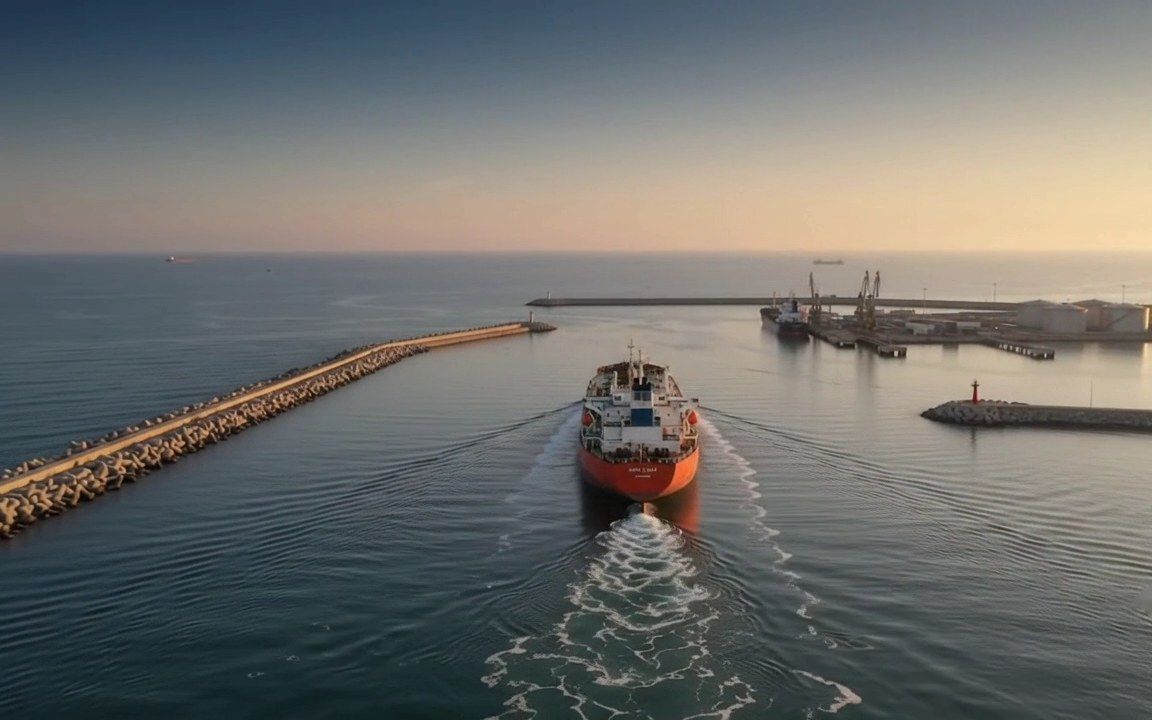
Energy demand in West Africa is growing, but refining capacity in the region has not kept pace in many countries. As a result, a large share of the region's refined fuel arrives by sea.
Imports arrive at a small number of ports
Cargoes are discharged at coastal terminals that have the draft, storage and pipeline connections to handle them. From there, product is moved on to depots and retail networks by pipeline, barge or truck.
Inland markets depend on corridors
Landlocked countries such as Mali and Burkina Faso receive fuel through coastal ports in neighbouring countries and then by road. That adds transit time and cost, and it makes planning, documentation and reliable logistics even more important.
Why storage matters
Storage lets a market hold a buffer between cargoes. Without it, a delayed vessel or a port disruption can quickly turn into a shortage. More storage near demand centres is one of the most practical ways to make supply more reliable.
A changing picture
New refining projects in the region are changing the balance over time, but for now many markets still depend on imports. That is why dependable sourcing, shipping and delivery remain central to regional supply.
Talk to our trading desk
If you are planning a purchase of refined products, tell us the product, volume and delivery schedule and we will come back with an offer.
Contact us